Experts call for system change and support to close critical care gaps in B.C.

At BC's first conference dedicated to Prehospital & Retrieval Medicine, families and experts called for urgent action to address system shortcomings affecting the transportation and care of critically ill and injured patients living in rural and remote BC communities.
Nikki Robbins, a B.C. health‑care practitioner and mother of 11‑year‑old Brayden, believes her son would likely be alive today if such a service had been available. After a CT scan in Comox showed he required urgent neurosurgical intervention, Brayden waited 10 hours for transport that never arrived. Despite a neurosurgeon’s phone support, attempts by local staff to save Brayden’s life proved in vain. She believes Brayden’s death reflects “compounded gaps” in the system rather than failures by individual clinicians, and describes MRBC’s proposal as “a lifeline for all patients and families and healthcare providers who are put in those conditions.”
Emergency physician Dr. Andrew Fagan, who trained in prehospital and retrieval medicine (PHRM) and now works in the Elk Valley Hospital Emergency department in Fernie, says B.C.’s current ambulance system leaves rural teams “waiting and worried” with critically ill patients lacking fulsome care. On one of his earliest shifts at the hospital in 2023, he treated an infant suffering a critical illness who remained in the emergency department for hours because of unavailable ambulance service. He contrasts that experience with systems in Alberta and New Zealand, where PHRM teams with advanced critical care skills can be airborne within minutes and bring crucial expertise directly to health care workers and their patients.
International best practices, including a physician‑led prehospital and retrieval medicine service established in Scotland 20 years ago, show that specialized retrieval teams can significantly improve rural patient survival rates and prove cost‑effective for the health system. Dr. Stephen Hearns, founder of Scotland’s Emergency Medical Retrieval Service says its services not only stabilize and transport the critically ill and injured patients, they also support rural physicians, nurses and paramedics with real‑time consultation and on-site support, which makes rural practice more sustainable by ensuring clinicians are not left alone with patients they cannot safely manage.
MRBC’s proposed model builds on these proven approaches and aims to augment B.C. Emergency Health Services by bringing critical care expertise directly to rural and remote communities, to rapidly stabilize and safely transport the sickest patients. Advocates are also calling for legislative changes to give front‑line clinicians clear authority to activate higher‑tier transport when standard options are unavailable or inadequate.
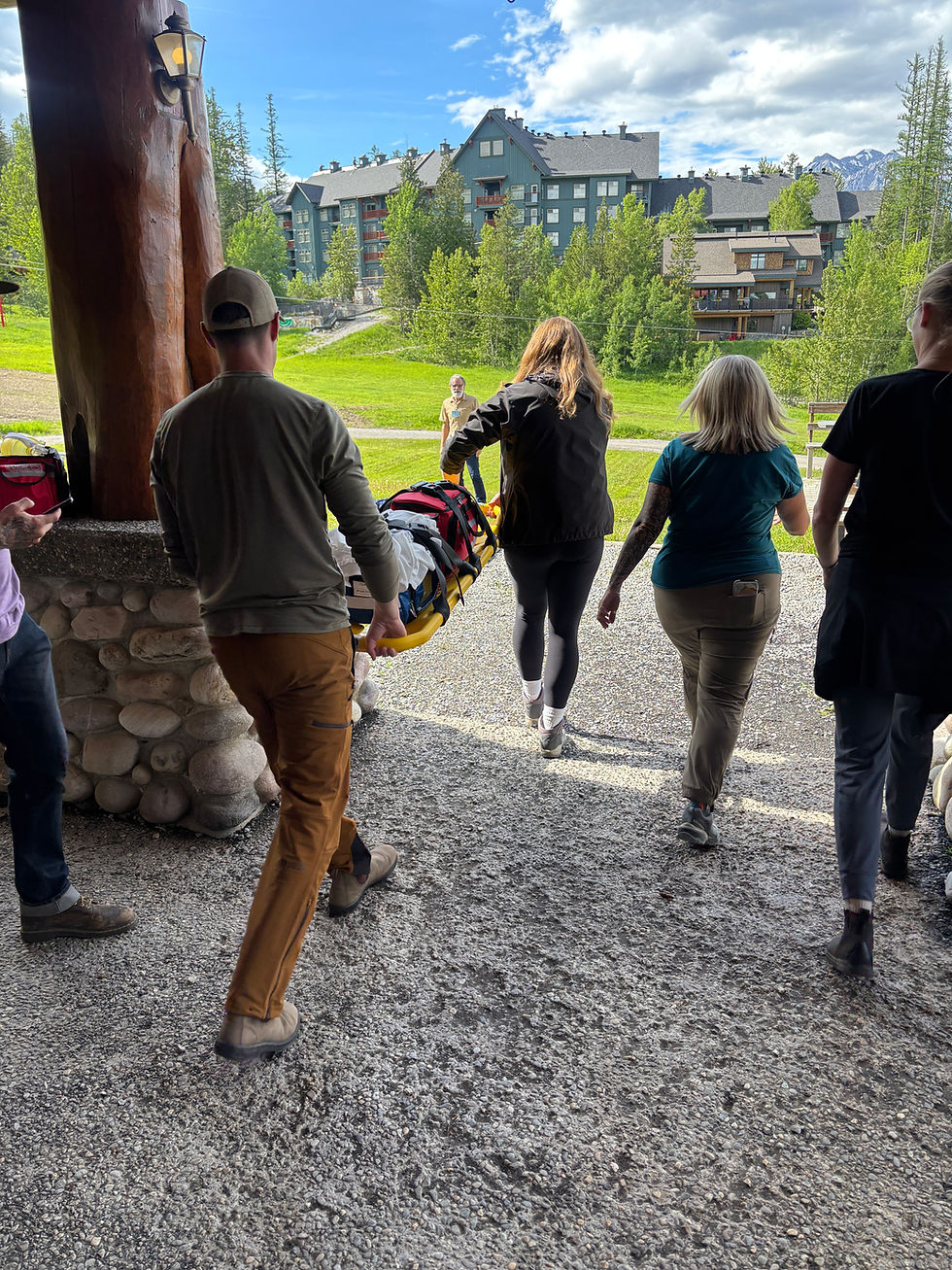
The two‑day conference explored key issues in prehospital and retrieval medicine, spotlighting international models from jurisdictions such as Alberta, New Zealand and Scotland, and providing practical education for rural practitioners on critical care best practices. Participants will have the opportunity to hear directly from families like the Robbins, frontline rural clinicians, and international experts advocating for a made-in-B.C. solution.